
Why Professional Development Is Not Optional for Auxiliary Program Leaders
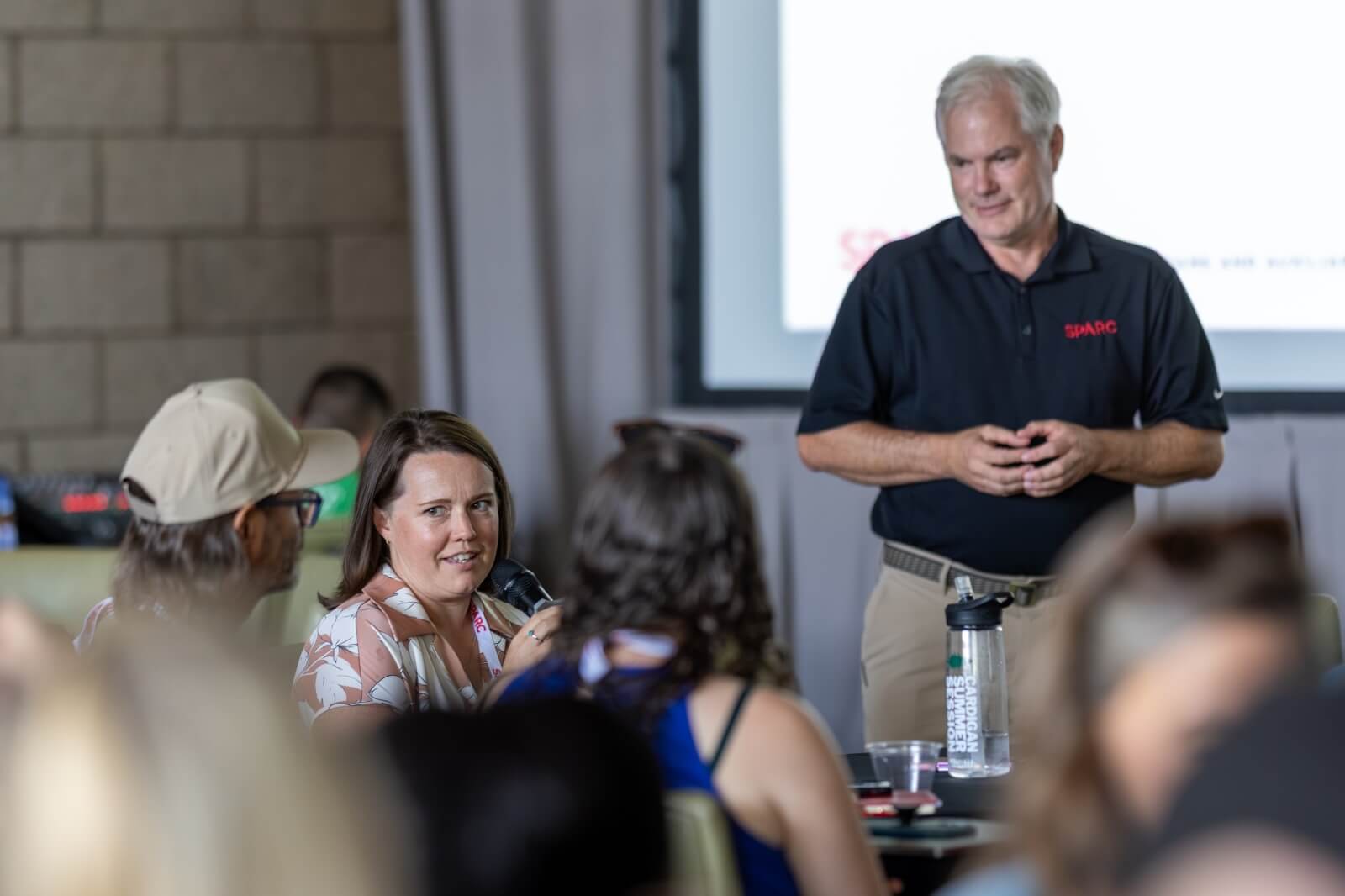
There is no college major in Summer and Auxiliary Program Leadership.
Think about that for a moment.
The professionals who lead summer camps, enrichment programs, after-school initiatives, facility rentals, conferences, and other auxiliary enterprises are responsible for some of the most complex operations in independent schools. Yet there is no undergraduate degree, master's program, or formal certification that fully prepares someone for the role.
Why? Because the position requires expertise across an extraordinary range of disciplines.
On any given day, an auxiliary leader may be acting as an educator, entrepreneur, marketer, business manager, customer service specialist, facilities coordinator, risk manager, and human development expert. Success requires understanding program design, financial management, enrollment strategy, branding, staffing, leadership, and the evolving needs of children and families.
Very few people enter the profession checking every box.
That reality makes professional development not just valuable—it makes it essential.
The Field Is Changing Too Fast to Stand Still
The expectations of families continue to evolve. Marketing channels shift. New technologies emerge. Economic pressures require programs to operate more efficiently. Staffing challenges demand creative solutions. Schools are increasingly looking to auxiliary programs as important contributors to both mission and revenue.
In a field that changes this quickly, leaders cannot rely solely on past experience.
The most successful programs are often led by professionals who actively seek out new ideas, challenge assumptions, and learn from others doing similar work.
Unfortunately, professional development is sometimes viewed as an expense rather than an investment. Conference attendance, memberships, travel, and training budgets are often among the first items scrutinized when resources are tight.
That perspective misses the larger opportunity.
Professional Development Often Pays for Itself
Schools should think differently about investing in professional development for auxiliary leaders.
The right idea, strategy, or operational improvement can generate returns that far exceed the cost of the training itself. A new enrollment strategy may increase registrations. A pricing insight may improve margins. An operational change may reduce staffing costs or streamline processes. A marketing tactic may open entirely new markets.
The return on investment can be significant and measurable.
At SPARC, we have heard countless stories from members who say that a single idea from a conference session, webinar, report, or peer conversation paid for the entire cost of membership or event attendance. In some cases, one insight generated thousands—or even tens of thousands—of dollars in additional revenue or savings.
Professional development is rarely about finding one magic solution. More often, it is about accumulating small improvements that compound over time. Those improvements create stronger programs, better customer experiences, healthier financial performance, and more confident leaders.
Building a Professional Learning Habit
SPARC has become the leading professional development community for auxiliary and summer program professionals because it provides opportunities for continuous learning throughout the year.
Webinars, roundtables, industry reports, conference sessions, and discussions on SPARC Connect allow professionals to learn from peers facing similar challenges and opportunities. The collective knowledge of the community often becomes one of the most valuable resources available to leaders in the field.
But professional development should not begin and end with SPARC.
The most effective leaders cultivate curiosity and intentionally create their own learning opportunities. Some of the best professional development activities cost little or nothing:
-
Conduct surveys with families, campers, staff, and partners.
-
Visit and observe programs at other schools.
-
Schedule conversations with leaders you admire.
-
Research innovative programs online.
-
Attend local business, marketing, or leadership events.
-
Listen to podcasts focused on leadership, entrepreneurship, education, and customer experience.
-
Read books outside of education that explore innovation, service, organizational culture, and business strategy.
-
Participate in cross-departmental meetings within your own school.
-
Benchmark your program against competitors and peer institutions.
-
Join professional communities where ideas are shared openly.
Perhaps most importantly, create time for reflection. Professional growth does not happen simply because information is available. Growth happens when leaders intentionally evaluate what they are learning and consider how those insights can be applied to their own programs.
Investing in the Future
The leaders of summer and auxiliary programs are navigating one of the most interdisciplinary roles in education today. They are expected to drive mission, create exceptional experiences, build sustainable business models, and adapt to constant change.
No degree program can fully prepare someone for all of those responsibilities.
That is why professional development is not a luxury. It is part of the job.
Schools that invest in the growth of their auxiliary leaders are ultimately investing in the growth of their programs. New knowledge leads to new possibilities. New ideas lead to innovation. Innovation leads to stronger outcomes for students, families, schools, and communities.
In a profession where one good idea can transform a program, the question is not whether schools can afford professional development.
The question is whether they can afford to go without it.
Interested in a professional development opportunity like SPARC's National Conference but not sure how to request support from your school? Check out David's Request Template.