
Filling the Toolbox: How SPARC is Supporting Summer Camp Success
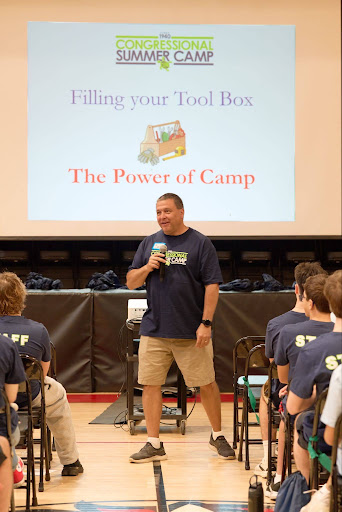 Those of us who run summer camps understand the tremendous responsibility we place on our counselors and how crucial they are to our camp’s success. In traditional education settings, many professionals bring years of experience, formal schooling, and ongoing professional development, all of which provide a strong foundation for teaching, leadership, and working with young people. Camp presents a different challenge.
We are often preparing teams of young adults in a much shorter time frame and with limited resources due to schedules, budgets, staffing, and availability. Yet despite these challenges, many camp programs serve as many children during the summer as schools do throughout the school year.
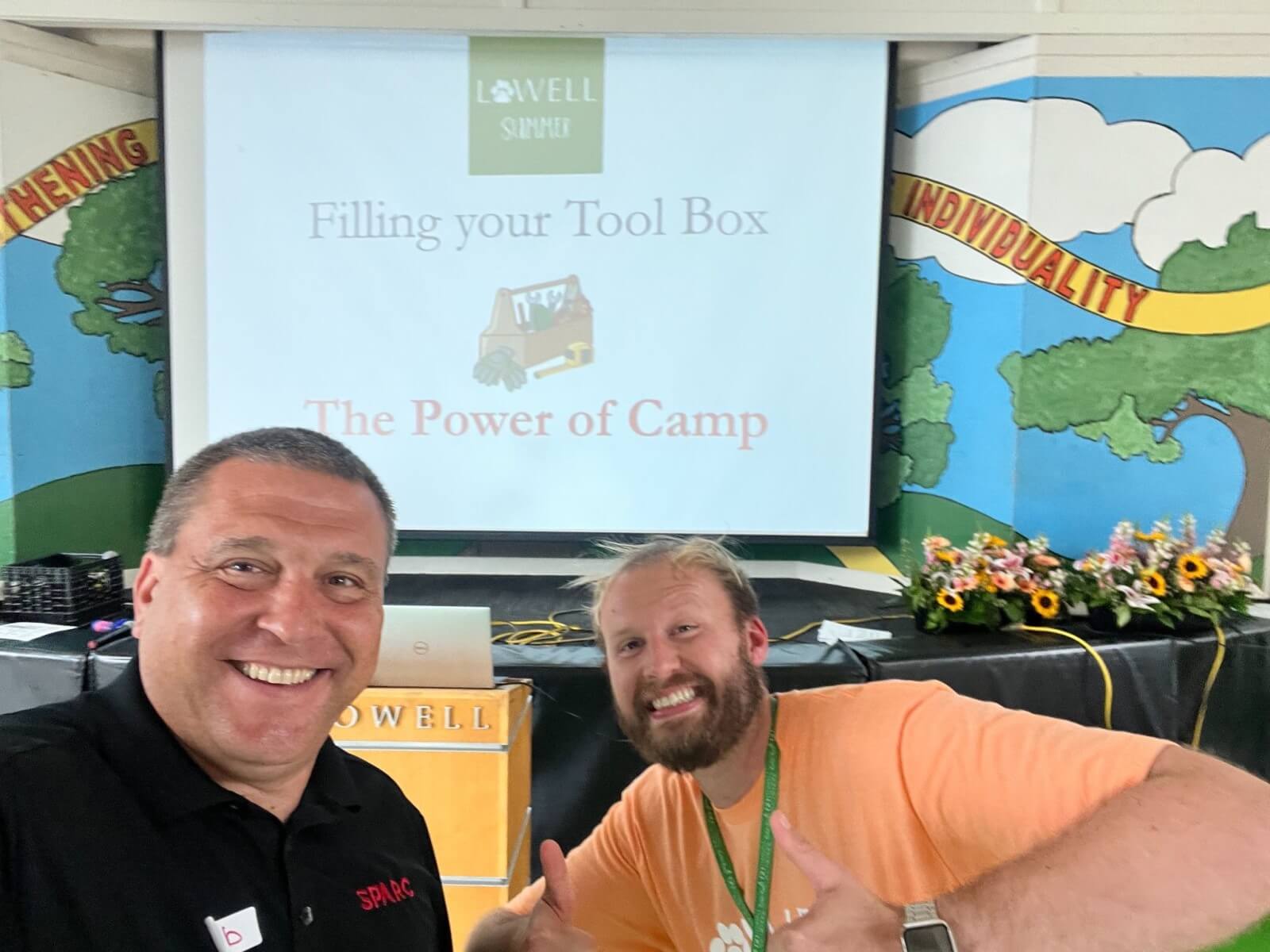
To support our collaborative, SPARC developed and delivered a series of workshops and trainings designed the strengthen both in-person preparation and virtual learning opportunities for camp professionals. SPARC was on the ground this spring at several member school programs to present the "Fill Your Toolbox" and "The Power of Camp" trainings focusing on practical strategies, camp culture, leadership, and the extraordinary impact camp can have on young people.
How SPARC Fills the Toolbox
At the heart of these trainings is a simple but powerful idea: our choices matter. The experience we create for campers begins with our attitude, our mindset, and the way we choose to show up each day.
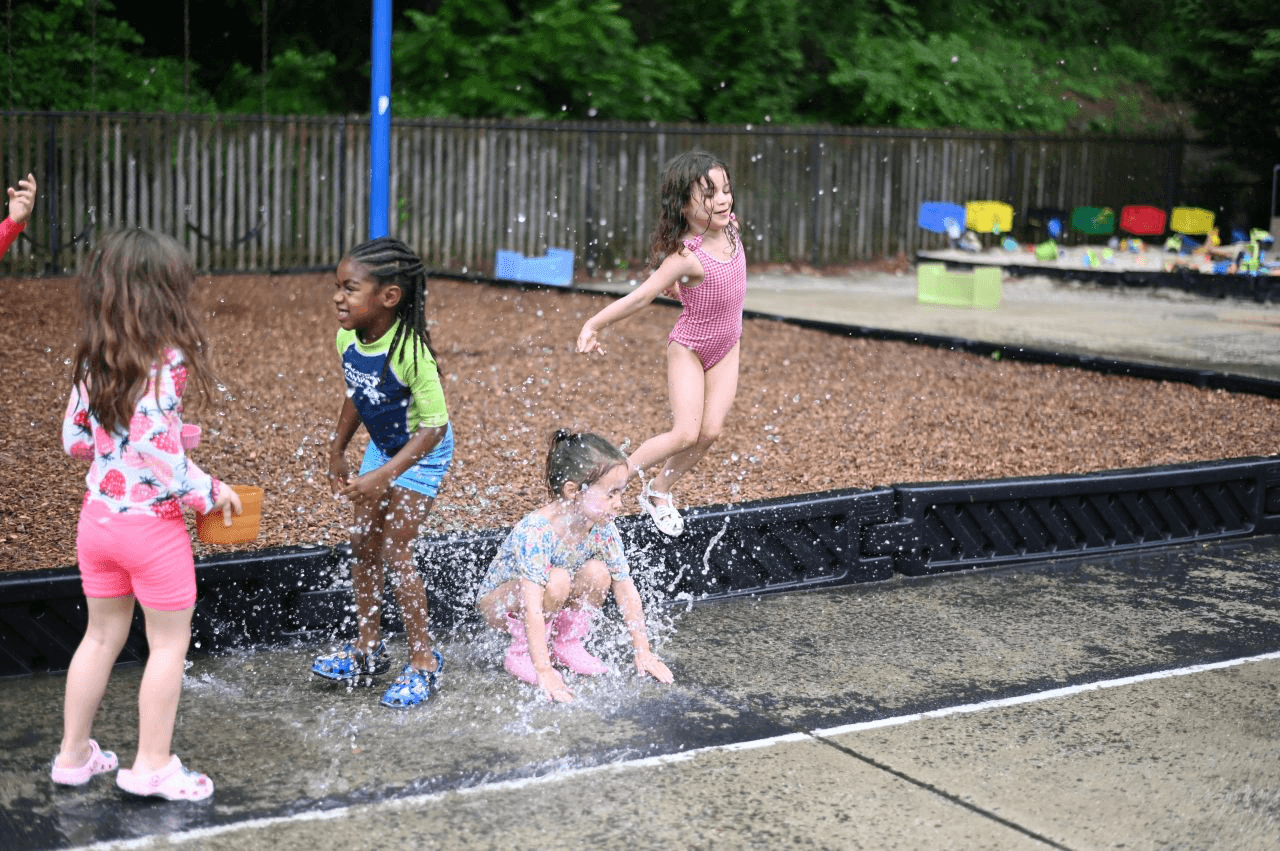
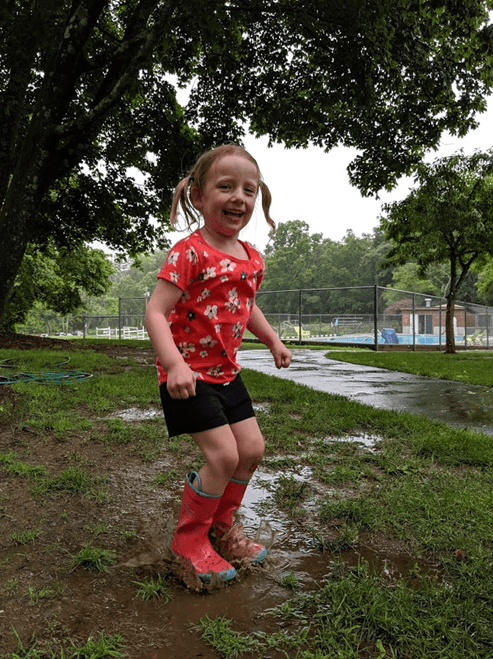 Many people who have trained with SPARC know that we often use the puddle metaphor. A typical adult sees a puddle and instinctively walks around it. A child sees that same puddle and immediately wants to jump right in. Splash! They are not worried about what others think, whether their shoes get wet, or what the laundry will look like later. They are fully present in the moment.
As adults, especially as camp professionals, we can learn from that spirit. We need to be willing to give more of ourselves, embrace joy, take positive risks, and remain open to receiving more from those around us.
1. Build a Strong Staff for Strong Camp Culture
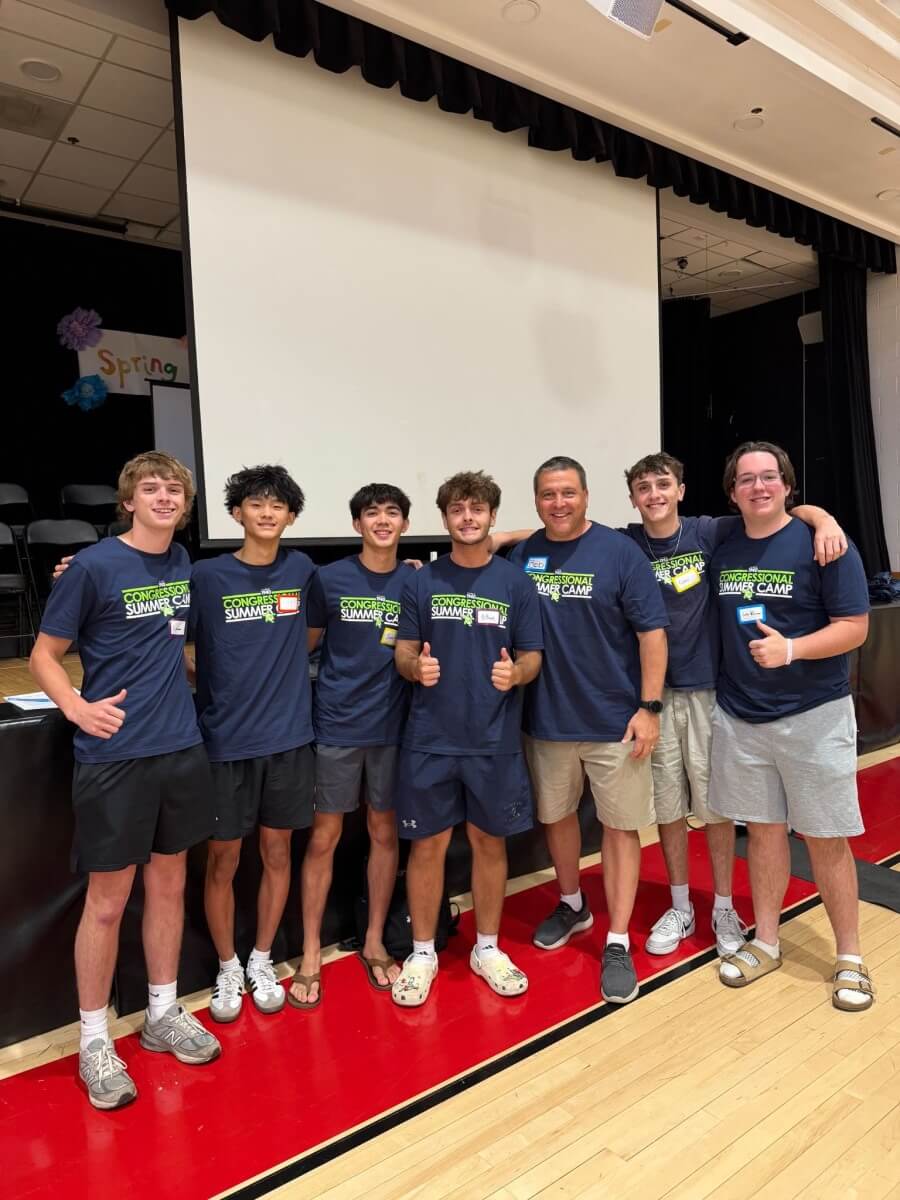 Before staff can create meaningful connections with campers, they need opportunities to build meaningful connections with one another. During the first part of each training, the focus was intentionally placed on helping staff feel comfortable, confident, and connected. We laughed together, participated in activities, stepped outside our comfort zones, and created an environment where people felt safe to be themselves. Creating this strong culture of connection and empowerment in your staff is where building a positive, strong camp culture begins.
2. Model Effective Leadership
 The activities we used to build a strong staff culture served another equally important purpose. They modeled effective leadership practices. Staff experienced firsthand how to engage large groups, create smaller teams, facilitate smooth transitions, and maintain positive energy without relying on yelling, commands, or control. Attitude reflects leadership. The goal was not simply to teach camp activities; it was to demonstrate how culture and leadership are created through intentional action.
3. Empower Staff to Change Lives
Throughout every training, we wanted staff to leave with a clear understanding that they have the power to make a difference. They can change lives in positive and meaningful ways this summer. Sometimes that impact may be as simple as helping a reluctant 12-year-old discover that camp can be fun. Other times, it may mean becoming the trusted adult who offers support, encouragement, or a sense of belonging to a young person navigating significant challenges.
 We never fully know what a camper may be carrying with them when they arrive each day. What we do know is that camp staff have a unique opportunity to influence a child’s experience, confidence, and growth. Imagine a new staffer's grandparent asking them how they're spending their summer. Instead of answering, "I'm going to be a camp counselor," imagine them saying, "I'm going to change lives." What a difference that makes in a new staffer's confidence and sense of purpose.
4. Support Counselors' Transition to Responsible Professionals
Many of our counselors are making a significant transition themselves. During most of the school year, they are consumers of care: students whose needs are supported by parents, teachers, coaches, and other adults. When camp begins, they suddenly become caregivers.
 That shift is significant. For many younger staff members, this may be one of their first opportunities to be responsible for the well-being, safety, and experience of others. The expectations that may seem like common sense to experienced educators are often brand-new concepts that young staff members, with their still-developing frontal cortexes, are just learning to process, understand, and apply.
One of the most rewarding moments in every training session is seeing the point where everything begins to click. There is a moment when the energy in the room changes. You can see the commitment, enthusiasm, and passion emerge as staff begin to understand the importance of the work they are about to undertake. Those moments are powerful reminders of why training matters.
5. Remember that Training is an Ongoing Process
Over the last few weeks, it has been incredibly rewarding to hear updates from directors and staff teams following our time together. Learning about successful training weeks, positive camp openings, and the growth of staff members reinforces the value of investing time and energy into preparing our teams well.
 As camp professionals, we must also remember that training is not an event; it is a process. Orientation week is only the beginning. The most successful programs continue to coach, mentor, support, and develop their staff throughout the entire summer. Every conversation, observation, challenge, and success becomes another opportunity for growth.
The work we do in training is ultimately about preparing people to create extraordinary experiences for young people. When we invest in our staff, we strengthen our camp culture. When we strengthen our camp culture, we create environments where campers can learn, grow, belong, and thrive.
That is the power of camp. And that is the power of preparing our teams with purpose.

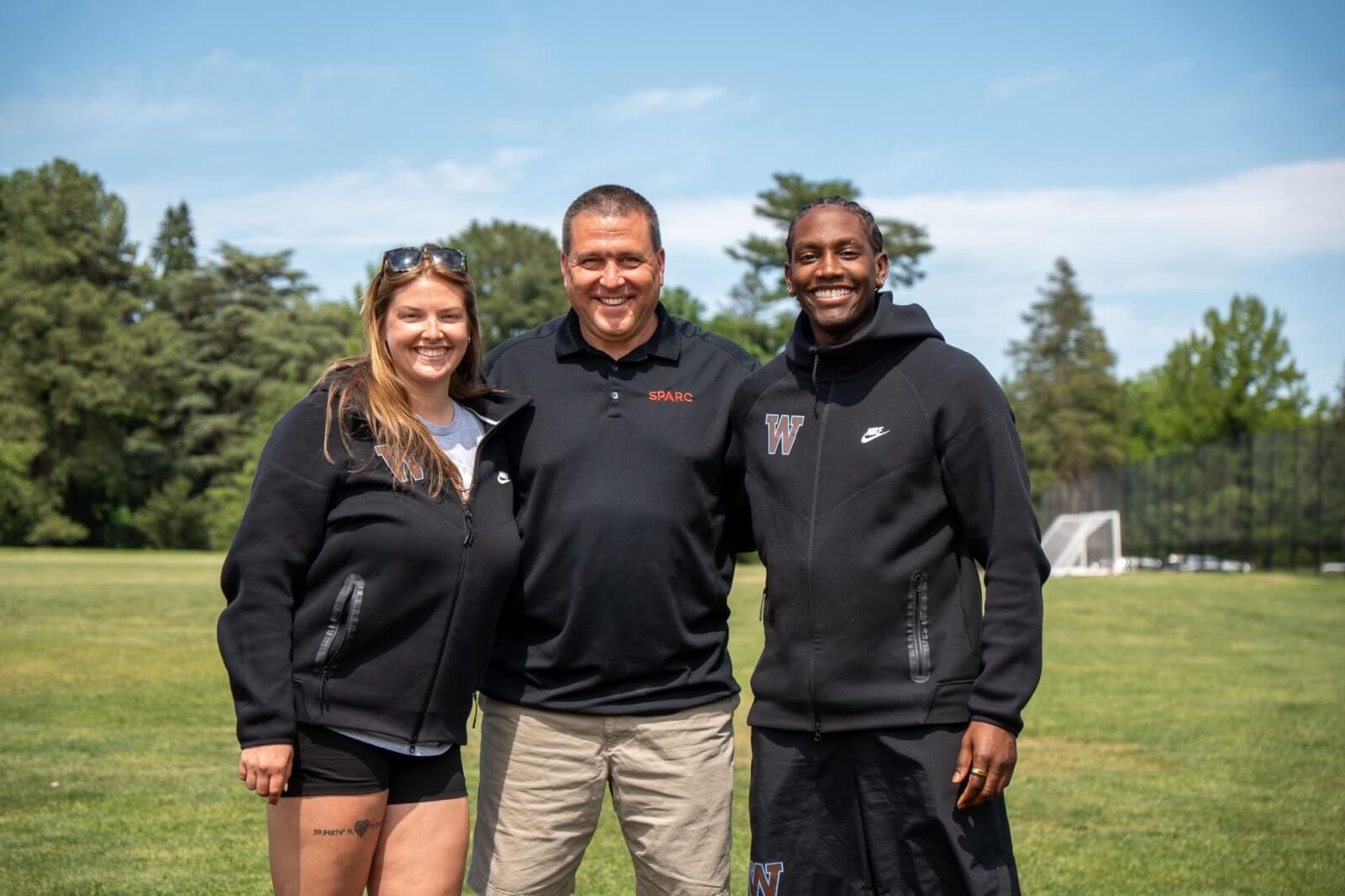
Thank you to Congressional School, Westtown School, Lowell School, and Meadowbrook School for hosting us and letting us be a part of your summer camp staff training!
Also, thanks to Brooks School, Wilbraham and Monson Academy, Cambridge School of Weston, Miss Porter’s School, Hun School, Bishop’s School, and Magellan International School for allowing us to support your programs through the SPARC Accelerator.
SPARC offers a variety of advisory services to support school camps and auxiliary programs of all sizes, whether established or just getting started. Join us today for professional development tools, access to webinar and roundtable recordings and slides, reduced event rates, and peer support through SPARC Connect.